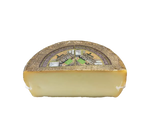
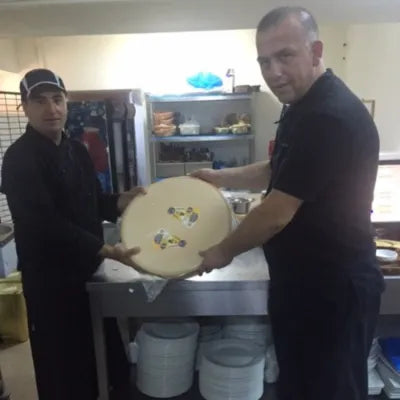
The origins of Pecorino date back to the pastoral activities of the Etruscans and Romans, who perfected the art of cheese making. At the time, there was a need to preserve milk-based foods, which were highly nutritious. To do this, they resorted to caves natural, where the temperature is constantly low.
This is how cheese aging began in grotta calcarea, a technique developed mainly in central Italy.
The ancient method is still used today to rediscover that traditional flavor, given by a microclimate that allows the microorganisms naturally present in the cheese to bring the Pecorino to perfect maturity. In addition to the low temperature, the cheeses aged in caves are far from sources of light and heat and mature in a very humid environment.
This is why we see a thin layer of noble mold on the rind, which, in addition to protecting the cheese from external pathogens, affects the Pecorino, giving it its intense and unmistakable flavor.
The taste of Aged Pecorino the value and quality of a completely organic product are added to this. It is produced in Tuscany, where the product is left to mature for about 60-90 days, taking care to turn the wheels periodically and grease them with extra virgin olive oil. This technique gives the rind consistency and character and, above all, makes it impermeable.