Select the Destination Country:


Caseificio Val d'Orcia
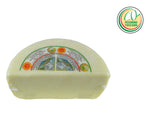
Pecorino Toscano DOP - Sheep's Cheese - Fresh - Half
32,50 €
Unit price perFresh Pecorino Toscano DOP is a young sheep's milk cheese with a delicate, harmonious flavor and a soft, sweet texture reminiscent of butter and hay. Produced in Tuscany with 100% Italian sheep's milk, it is aged for at least 20 days. Perfect for those who love the authentic flavors of traditional Tuscan cheese.


Pecorino Toscano DOP - Sheep's Cheese - Fresh - Half
Fresh Pecorino Toscano DOP is a young sheep's milk cheese with a delicate, harmonious flavor and a soft, sweet texture reminiscent of butter and hay. Produced in Tuscany with 100% Italian sheep's milk, it is aged for at least 20 days. Perfect for those who love the authentic flavors of traditional Tuscan cheese.
32,50 €
Unit price per
32,50 €
Unit price perHappy Customers, Authentic Flavors
Neil
Fishcreek, United States
Patrick
La Tour, France
Jean-Francois
Marseille, France
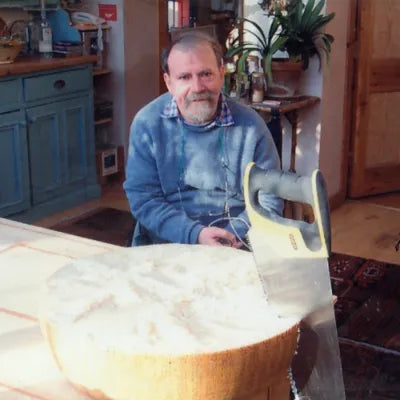
Dawson
Kilmany, United Kingdom
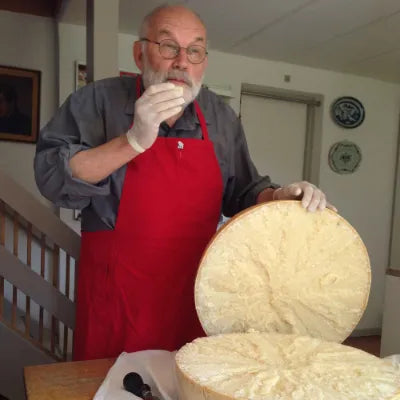
Karsten
Slangerup, Denmark
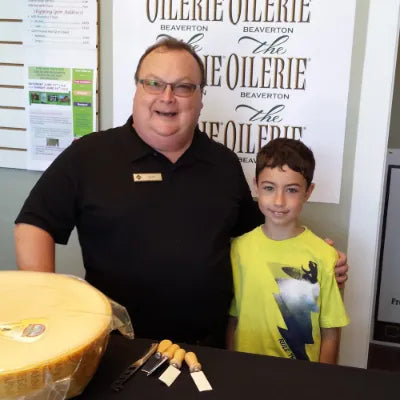
Curt
Egg Harbor, United States

Victor
Miami, United States
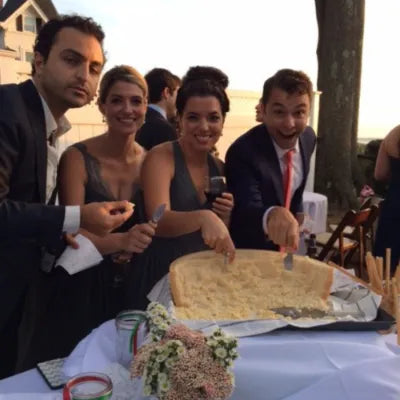
Tom
Ansonia, United States
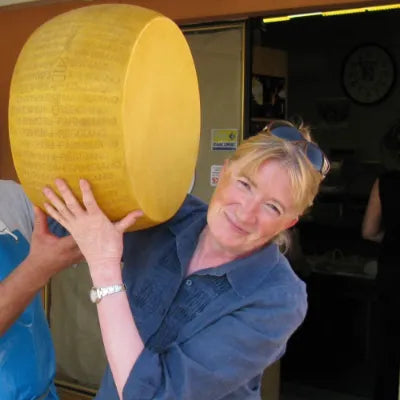
Roberta of ParmaShop
Parma, Italy
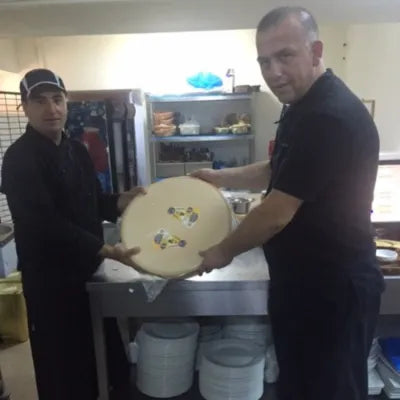
Nicolae
Sinaia, Romania

Parma City of Gastronomy

Certified Quality

Top Customer Support

Accurate Shipping
ParmaShop.com

📍 Strada Traversante San Leonardo, 13/A - 43122 Parma (PR) - Italy
P.IVA / VAT: IT02445370345