
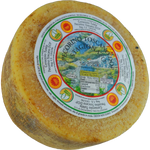
Super Käse!
"Ein wirklich sehr guter Käse. Wir werden sicher wieder einen bestellen ."


Caseificio Val d'Orcia
68,75 €
Unit price perPecorino Toscano DOP is a aged sheep's milk cheese with an intense and slightly spicy flavor, aged for at least 120 days according to ancient Tuscan tradition. Made with selected sheep's milk, it has a compact and aromatic texture, perfect for enriching cheese platters, pasta dishes, or enjoyed on its own.


Pecorino Toscano DOP is a aged sheep's milk cheese with an intense and slightly spicy flavor, aged for at least 120 days according to ancient Tuscan tradition. Made with selected sheep's milk, it has a compact and aromatic texture, perfect for enriching cheese platters, pasta dishes, or enjoyed on its own.
68,75 €
Unit price per
68,75 €
Unit price perOverall rating: 4.875 / 5 from 40 reviews.
Pecorino Toscano DOP is a highly regarded sheep cheese with an intense and slightly spicy flavor. It is aged for at least 120 days, offering a compact and aromatic texture. Ideal for enhancing platters, pasta dishes, or enjoying on its own.
Review topics: [].
"Ein wirklich sehr guter Käse. Wir werden sicher wieder einen bestellen ."
"Il Pecorino Toscano DOP è veramente buono! Farò sicuramente pubblicità."
"Very pleasant taste. I have described it above. Very pleased."
"J'adore le Pecorino et ce n'est pas la première commande. Son gout subtil me convient parfaitement."
"Unbelievable quality! thank you so much. I can’t stop eating it"
"Tried all 3 pecarinos—definitely like this the best."
"I have now ordered this cheese as well as a non-aged version several times. The shipments always arrive fresh and cold. The aged cheese is quite mild and pairs well with the onion mustard and a glass of Chianti Classico."
"Ein runder Käse, den wir auf Vorrat kaufen und hin und wieder mit einem Glas Rotwein genießen, der Käse schmeichelt dem Gaumen."
"It disappeared immediately, great cheese. Strong scent, but mild flavour."
"Fromage sec toujours excellent et agréable en bouche"
Neil
Fishcreek, United States
Patrick
La Tour, France
Jean-Francois
Marseille, France
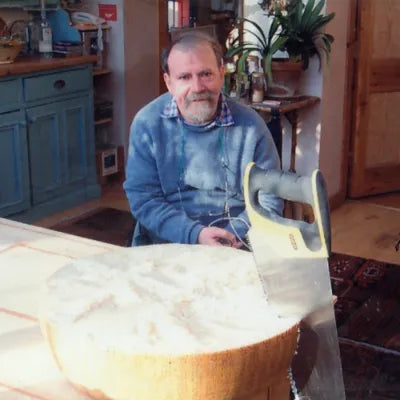
Dawson
Kilmany, United Kingdom
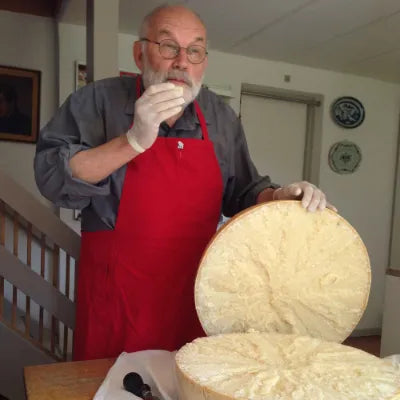
Karsten
Slangerup, Denmark
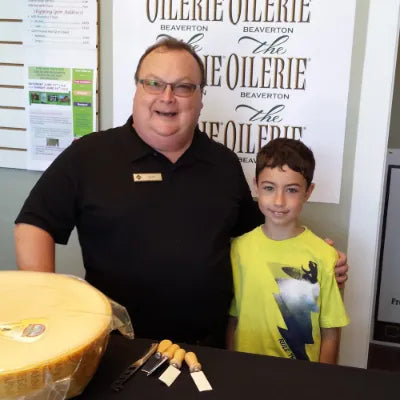
Curt
Egg Harbor, United States
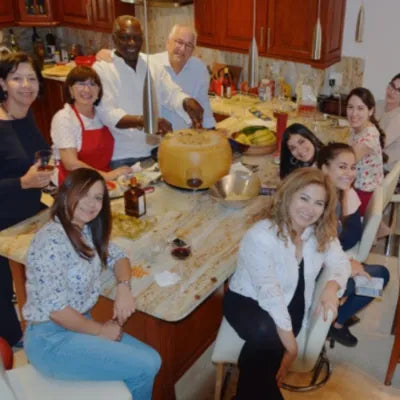
Victor
Miami, United States
Tom
Ansonia, United States
Roberta of ParmaShop
Parma, Italy
Nicolae
Sinaia, Romania

Parma City of Gastronomy

Certified Quality

Top Customer Support

Accurate Shipping
ParmaShop.com

📍 Strada Traversante San Leonardo, 13/A - 43122 Parma (PR) - Italy
P.IVA / VAT: IT02445370345