
"I am a repeat customer and purchase these cheeses regularly. I love these wonderful products."
Select the Destination Country:

Protected Designation of Origin

Pecorino Toscano Consortium
Caseificio Val d'Orcia
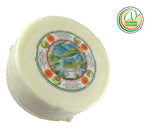
Pecorino Toscano DOP - Sheep's Cheese - Fresh - Whole
Shelf Life:
Approximately 1 Month
7250
72,50 €
Unit price perPecorino Toscano DOP Fresco is a soft sheep's milk cheese with a delicate, sweet flavor, made with 100% Tuscan milk and aged for at least 20 days. A symbol of the Etruscan-Roman cheese-making tradition, it is a PDO-certified product, perfect to enjoy on its own or paired with honey and jams.
Protected Designation of Origin
Pecorino Toscano Consortium


Pecorino Toscano DOP - Sheep's Cheese - Fresh - Whole
Pecorino Toscano DOP Fresco is a soft sheep's milk cheese with a delicate, sweet flavor, made with 100% Tuscan milk and aged for at least 20 days. A symbol of the Etruscan-Roman cheese-making tradition, it is a PDO-certified product, perfect to enjoy on its own or paired with honey and jams.
Shelf Life:
Approximately 1 Month
7250
72,50 €
Unit price per
7250
72,50 €
Unit price perOverall rating: 4.785714 / 5 from 14 reviews.
AI Generated Review Summary
Summary topics
Review topics: [].
Review highlights
Reviews
I've ordered the pecorino toscano
"I've ordered the pecorino toscano for several years and it always extremely excellent . The DOP labeling verifies you are getting the true original product."
"A go to favorite of mine!"
Déjà acheté autrefois, n'est pas
"Déjà acheté autrefois, n'est pas frais comme d'habitude. La croûte est un peu jaunie par rapport aux standards de ce fromage, alors que normalement elle était bien blanche. Et il me manque cet arrière-gout de lait qu'était un vrai bonheur. Il était en promo, parce que non plus très frais peut-être ?"
My favorite cheese. I am
"My favorite cheese. I am a repeat customer and will continue to be. I cannot find anything like it where I live, and I am grateful you ship to me!"
Fresh cheese as promised. I
"Fresh cheese as promised. I have shared it with friends and they love it."
I love this cheese and
"I love this cheese and have to have it on hand at all times!"
A new Pecorino for me
"A new Pecorino for me with a lovely flavor. It is always a delight to try new cheeses!"
I order this repeatedly and
"I order this repeatedly and it is by far my favorite for many recipes. I prefer sheep's milk cheeses and I am so grateful to have found you!"
The cheese was phenomenal. I
"The cheese was phenomenal. I can’t believe I had not done this before. Brought me a little closer to home!"
Q&A
Happy Customers, Authentic Flavors
Neil
Fishcreek, United States
Patrick
La Tour, France
Jean-Francois
Marseille, France
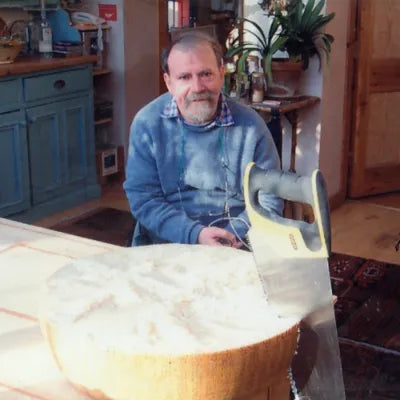
Dawson
Kilmany, United Kingdom
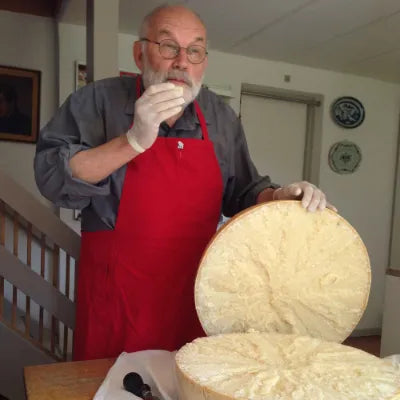
Karsten
Slangerup, Denmark
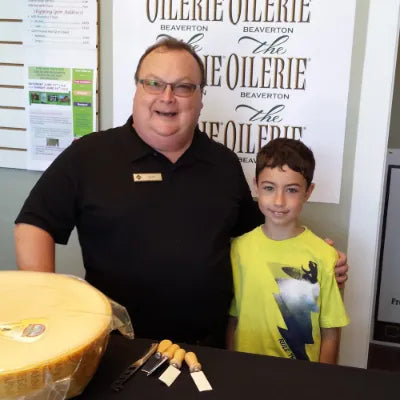
Curt
Egg Harbor, United States
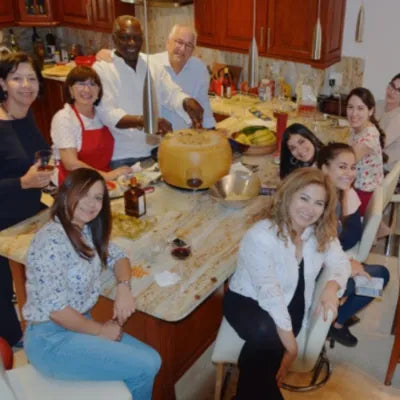
Victor
Miami, United States
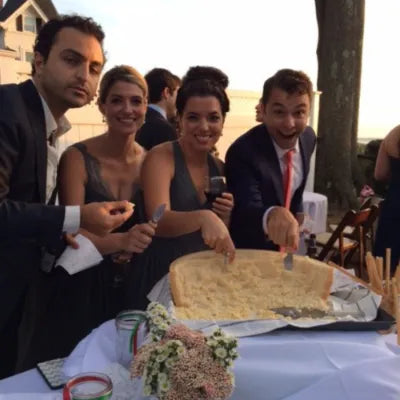
Tom
Ansonia, United States
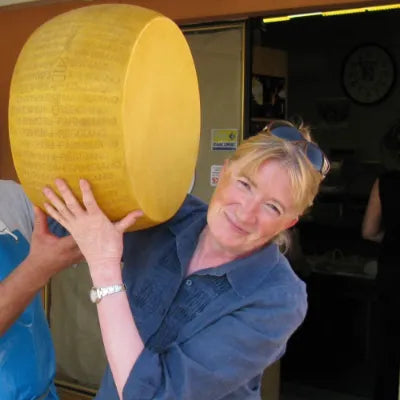
Roberta of ParmaShop
Parma, Italy
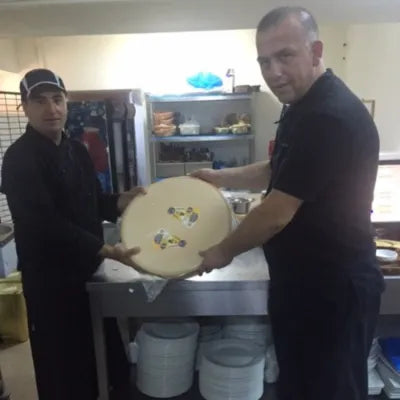
Nicolae
Sinaia, Romania

Parma City of Gastronomy

Certified Quality

Top Customer Support

Accurate Shipping
ParmaShop.com
📍 Strada Traversante San Leonardo, 13/A - 43122 Parma (PR) - Italy
P.IVA / VAT: IT02445370345